Motherhood has many layers — some you expect, and others you could never fully prepare for. One of the biggest surprises for many women is how deeply and permanently motherhood transforms them, it is an identity shift.
Every woman’s journey looks a little different. Your experience is shaped by factors like the support you had (or didn’t have), whether you’re parenting alone or with a partner, your age and stage of life, your cultural background, your financial and emotional resources, and even your own childhood experiences.
But one thing is universal: motherhood changes you — completely, irreversibly, profoundly.
Sometimes the transformation is obvious. Sometimes it’s subtle, emotional, or internal. And sometimes you only realize how much you’ve changed when you look back years later.
The First Wave of Transformation
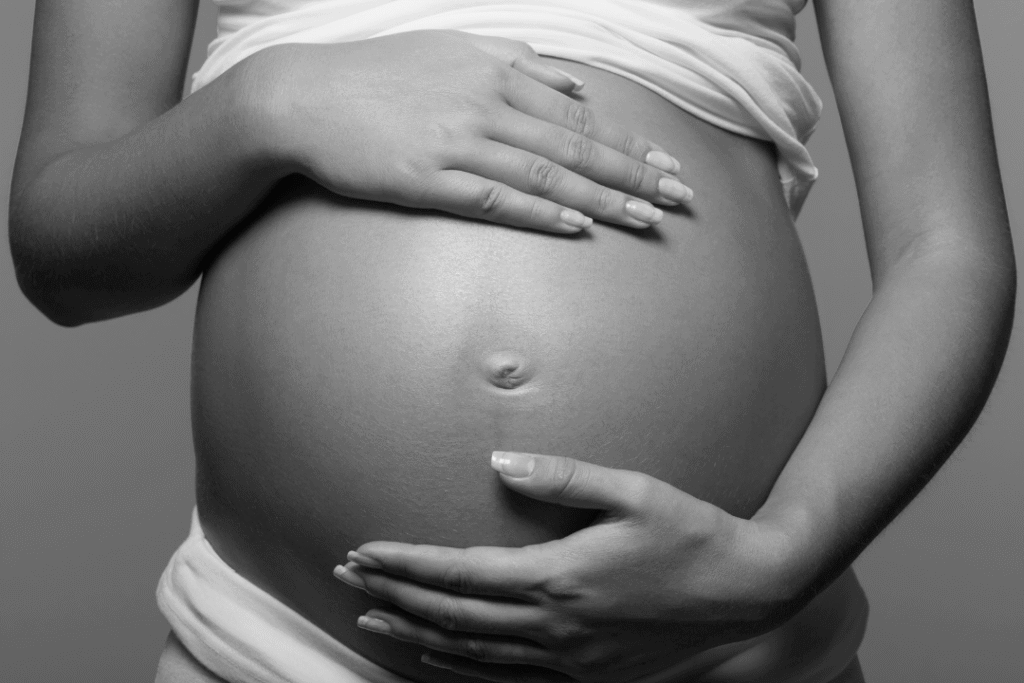
The identity shift begins with the miracle of creating life. Discovering you’re pregnant is humbling and surreal. Your body becomes a sacred space where something new is forming, and that realization alone reshapes you.
Then comes delivery — an experience that teaches you that pain and beauty can coexist. It shows you what you’re capable of enduring. And when you hold your baby for the first time, everything else becomes quiet. For a moment, the world stops.
The Second Wave: Raising a Human
And then parenting truly begins — the real ride. If childbirth stretched your limits, raising a child expands them even more. It becomes a daily lesson in patience, self-awareness, and surrender.
We enter motherhood with expectations: the kind of mom we’ll be, how we’ll respond, the home environment we’ll create, and the experiences we’ll shape for our children. But reality often challenges those expectations. Many weren’t even ours to begin with — they were inherited, absorbed, or culturally imposed.
This is where internal conflict often shows up: the gap between who we thought we’d be and who we actually are as mothers. This is the identity shift motherhood creates.
What My Own Journey Taught Me
Before becoming a mom, I read the books, attended the classes, and believed I had a plan. But once my son started becoming his own person, that plan quickly cracked. Motherhood isn’t a solo performance — it’s a relationship between two humans, each with their own path.
No matter how well we prepare, we cannot control someone else’s life. We can guide and support, but we are not meant to shape every detail.
And the truth is, no one truly teaches us how to be parents. Yes, instincts show up, but much of our behavior comes from what was modeled for us. We either repeat it or intentionally choose differently.
When my son was little, I repeated what I knew. I was authoritative, rigid at times, and tried to enforce rules that didn’t even matter to me — rules society had handed me without my consent. Thankfully, my son was strong-willed and unafraid to speak up, which created tension and arguments but also led to deeper reflection.
That pushback became one of my greatest teachers.
The Moment Everything Shifted
One day, exhausted by the constant battles, I asked myself: How can I bring more peace into my life?

I realized the answer wasn’t changing him — it was changing myself. My reactions, my expectations, my need for control.
This is when Byron Katie’s teachings resurfaced. I had known them for years, but knowing is different from practicing. The real shift began with one powerful step: accepting my son exactly as he was, not as the version I had imagined.
That acceptance softened me, humbled me, and helped me trust the process, even when it made no sense. And that was the beginning of my own transformation.
Where So Many Mothers Lose Themselves
Motherhood doesn’t only transform the way you parent — it transforms you. And many women lose pieces of themselves along the way. I certainly did.
Constant caring, working, planning, coordinating, managing, and nurturing slowly pushes you out of the center of your own life. By the end of the day, you’ve poured so much into others that you have nothing left for yourself.
Eventually, you may reach a moment of realization: you don’t fully know who you are anymore. You’re unsure what lights you up, what you enjoy, or what your dreams look like now — not the dreams you had at twenty, but the ones aligned with the woman you’ve become.
This is where many mothers fall into a trap: the desire to “go back.” Back to the old version of themselves. Back to simpler days. Back to the girl who felt free.
But the truth is simple: we can’t go back — because we are not that person anymore. Motherhood didn’t erase her; it evolved her. You’re not meant to return. You’re meant to move forward with a new identity shaped by everything you’ve lived and learned.
Reconnecting Without Regressing
Reconnecting with old passions and parts of yourself is healthy and important. But that’s not the same as trying to become who you were before kids. Your younger self isn’t the standard — she’s the foundation.
Motherhood reshapes your values, priorities, capacity, and identity. What fulfilled you before may no longer be enough — not because you’re lost, but because you’ve grown.
You can honor who you were while fully stepping into who you’re becoming.
Motherhood didn’t take your identity away.
It gave you a new one to grow into — wiser, softer, stronger, more intentional, and more grounded.
What Moving Forward (Not Back) Can Look Like

Moving forward doesn’t mean reinventing your entire life or becoming someone unrecognizable. It simply means allowing your identity to expand in a way that supports the woman you are now.
Here are a few ways that can look in real life:
1. Redefining What Joy Means to You
Maybe joy used to look like late nights out, spontaneous plans, or hobbies that belonged to a different season of your life.
Now, joy might be slower, more intentional, or rooted in things that nourish your energy instead of draining it.
It’s not less — it’s just different.
2. Choosing What Actually Matters (Not What You Were Told Should Matter)
Motherhood has a way of clarifying priorities.
You may find yourself caring less about expectations, appearances, or what everyone else thinks — and caring more about peace, presence, and alignment.
That shift is growth, not loss.
3. Reconnecting With Yourself in Small, Consistent Ways
You don’t need a full “identity makeover.”
Simple daily moments — reading again, journaling, walking alone, taking a class, listening to music you love — help you rediscover what feels like you now.
4. Allowing Yourself to Dream Again
Not like your 20-year-old self… but as the woman you’ve become.
Your dreams may look different now — more grounded, more intentional, more connected to your values.
That doesn’t make them smaller. It makes them yours.
5. Giving Yourself Permission to Change
The version of you after motherhood isn’t a departure from who you were — she’s an evolution.
And moving forward means letting yourself grow without guilt or apology.
If You’re Ready for Support on This Journey
If this message resonates with you… if you’re in the middle of this identity shift or craving a place where you can be honest, supported, and seen — I’d love to invite you to join my community:
👉 Radiant Mamas: Thrive & Grow Together
A space created for mothers like you to reconnect with yourself, feel supported, and remember that you don’t have to grow alone.
You can join us here: Radiant Mamas Group
Thanks for reading and keep growing!
With love,
Nathalia Mahecha